Taking a Step Back in Time
How we protected the land, explored what could be, and watched the bigger picture start to change.

Before I get into year two of The Tournament, I want to step back for a moment, because to understand what was happening at the club in the mid-2000s, you also have to understand what was happening around it.
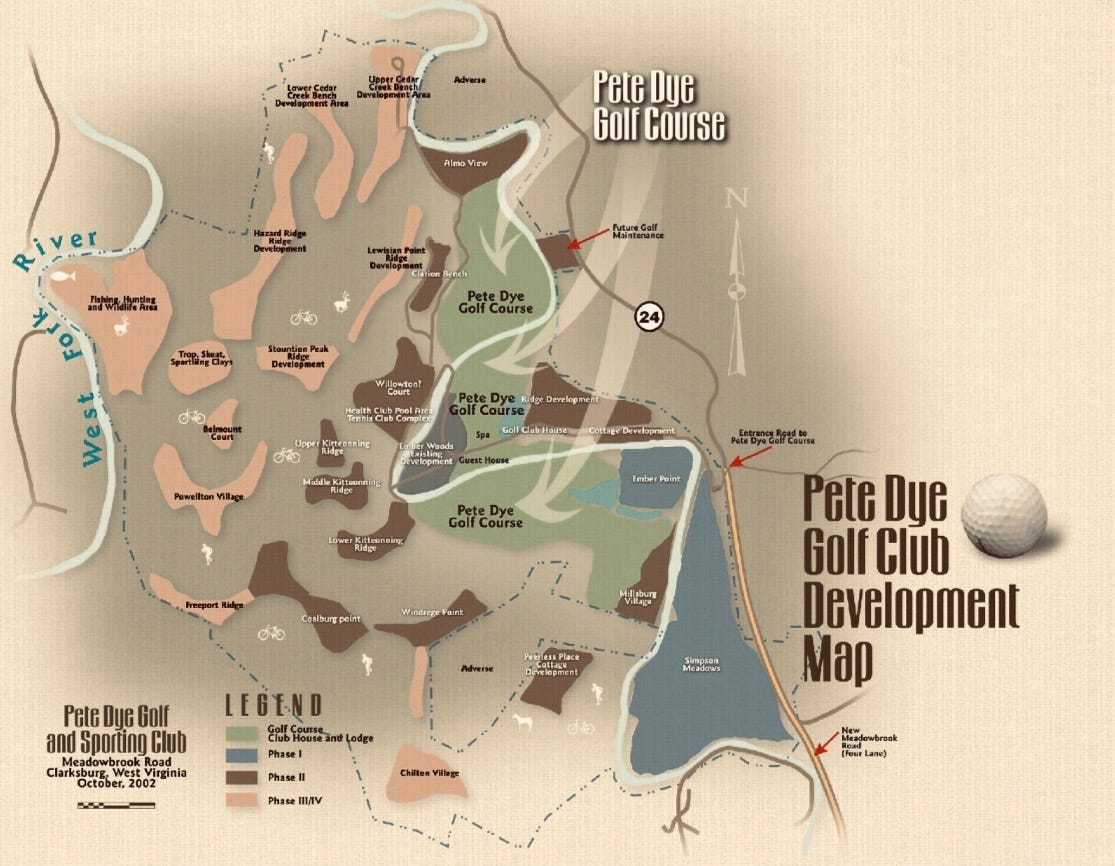
A Thousand Acres and A Promise To Pete
We assembled nearly 1,000 acres surrounding the course to protect its environment, identity, and Pete’s vision. That acquisition began in the late 1970s and wrapped up in the early 1980s.
It wasn’t about collecting land for land’s sake. It was about protecting the course from being boxed in.
And one commitment stayed firm through every conversation that followed:
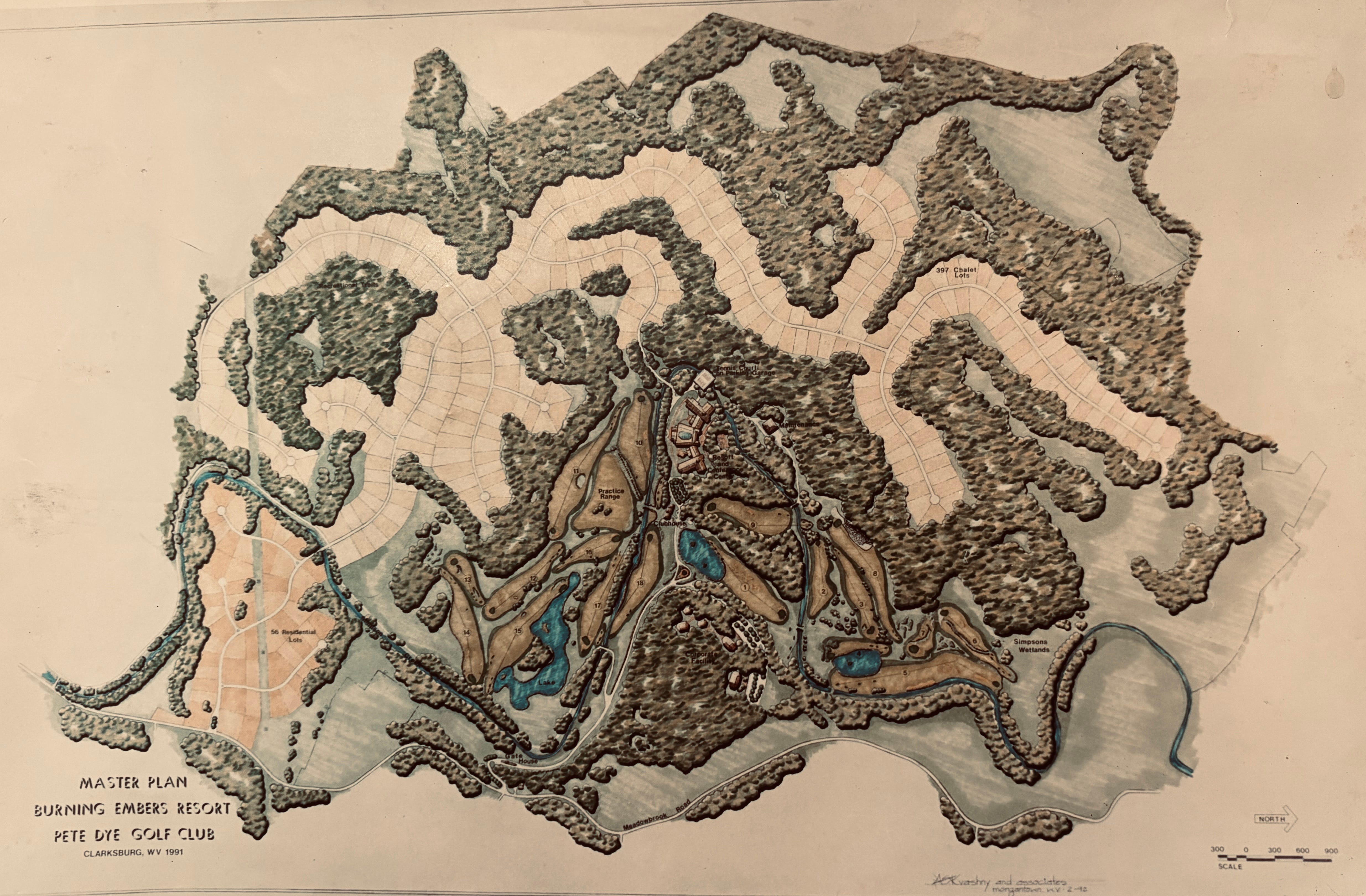
No homes encroaching the fairways.
That was part of the understanding with Pete, and it never changed.
The Market Heats Up and West Virginia Enters The Game
As the economy improved around 2000, real estate values began climbing fast: especially golf course, private gated-community-style developments.
Around the same time, the State of West Virginia adopted incentive programs similar to surrounding states (TIF financing) to encourage commercial and private development.
After discussing our development ideas with Pete and reaffirming the “no homes on the fairways” commitment, we became the first project approved for TIF financing in the state.
Being the first didn’t make it easier. It made it harder.
But we got it approved.
The Greenbrier Conversation
Not long after, I was contacted by Ted Klisner, CEO of The Greenbrier Resort, along with Steve Shramm and Peter Pollack of DP&S, to discuss a joint venture: a Sporting Club–style development on the surrounding property.
After months of site visits and negotiations, we agreed in principle to move forward.
Pete began looking at the remaining property for a possible second course. The Greenbrier management team took control of club operations and conceptual planning. The vision was essentially a duplicate of the Greenbrier Sporting Club: riding stables, a second course, pools, a shooting range, a health club—the full package.
Then, at the eleventh hour, a political situation arose that became untenable.
Without getting into all the details, the parties decided not to move forward.
2005: Tournament Year Two
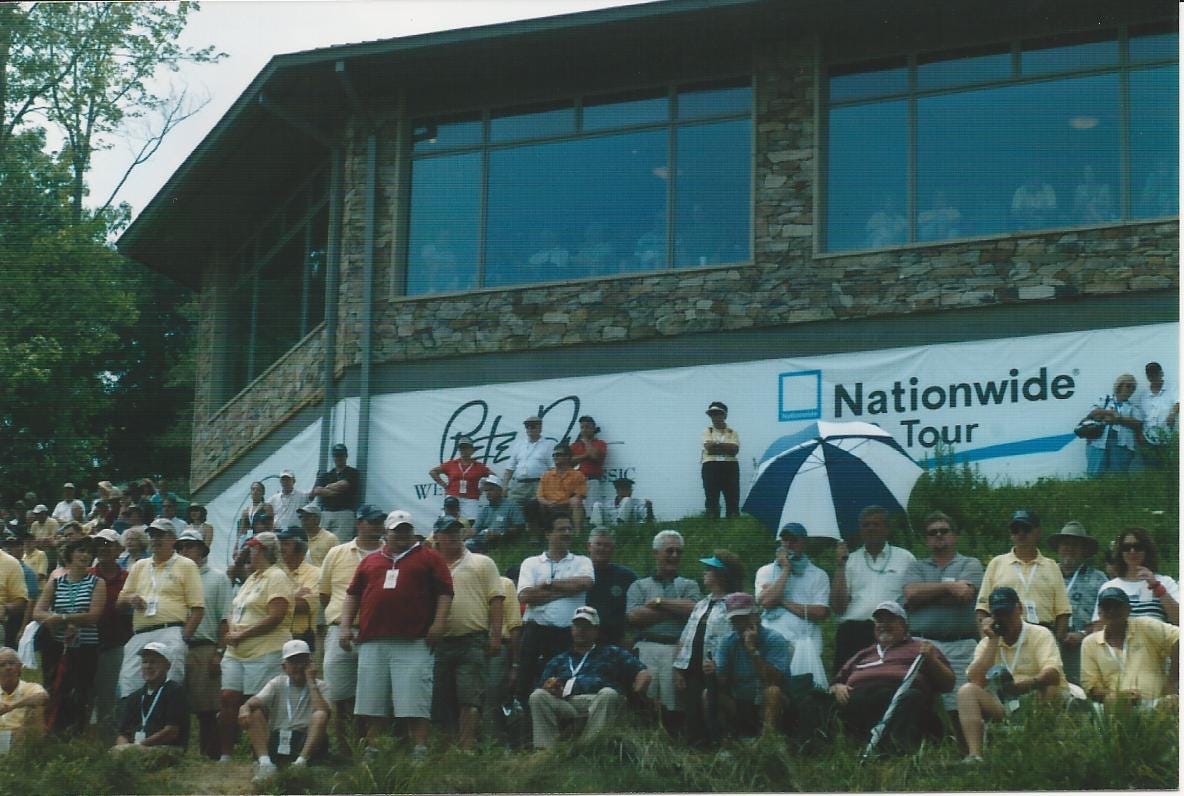
Moving into year two, the coal industry became the primary sponsor. The State was still involved, but to a lesser degree.
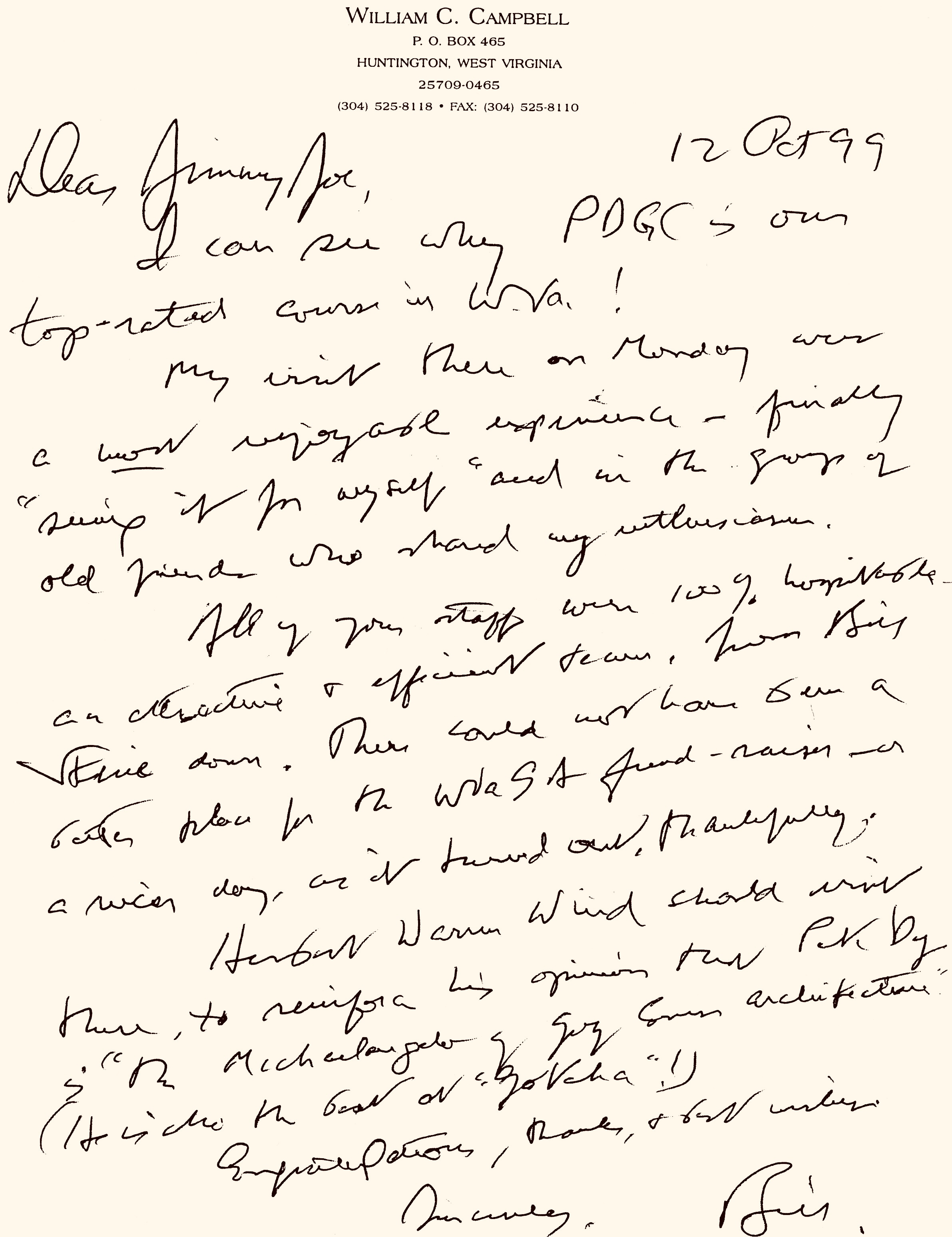
At our Spring press conference, we were joined by three U.S. Amateur champions who would be participating—including Matt Kuchar, Ricky Barnes and David Gossett. We were also joined by Bill Campbell, that year’s Distinguished West Virginian Award Honoree.
It was a most memorable day and a strong start to the season.
Member activity remained strong too: rounds approached 17,000 for the year, and membership numbers held steady.
Another Development Wave and the First Signs of a Turn
As we approached the Nationwide event again, I was contacted by another major name in golf development: Bobby Ginn, of the Ginn Company, about a joint venture on the surrounding properties.
The conversations were productive. Engineering and due diligence began and continued beyond the tournament into the winter.
But by the end of the year, the real estate market began to nose-dive—and not just real estate. The broader economy was shifting as well.
We paused to reevaluate, because it was becoming clear the ground under the golf industry was starting to change.
Tournament Highlights
As the tournament approached, the energy returned—seeing friends from the Tour, the Golf Channel crew, and our volunteers always got our juices flowing.
Bill Campbell—a Huntington, West Virginia native and one of the most revered amateur golfers in the world—was our honoree. He told a story that has stayed with me ever since. Years earlier, during the British Amateur, his close friend and tour professional Henry Cotton died unexpectedly. Mr. Campbell was asked to deliver the eulogy, and after the tournament traveled to London, where he stood in Westminster Abbey and spoke before the Queen of England.
That is who Bill Campbell was.
We also began hosting concerts that year, and they were a huge success, multiple thousands of people attending.
And then came the finish: Jason Gore, a crowd favorite and a champion we’ll never forget, won the event—earning his spot on the PGA Tour. The very next week, he won again at the 84 Lumber Classic in his first start on Tour. Celebrating that victory with Jason, his Mother and Aunt, Tim McNeely, and Johnny Aman was something truly special.
What Came Next
For a brief moment, it felt like everything was still rising: tournaments, attention, possibilities.
But the economy was starting to pull the other direction.
Next week: the economy begins to take its toll on the golf industry—and on everything connected to it.
I will see you next week! Thank you for being here.