At the Crossroads
Early 2000's: membership steadies, history arrives behind #9, and the Tour comes calling at Pete Dye Golf Club

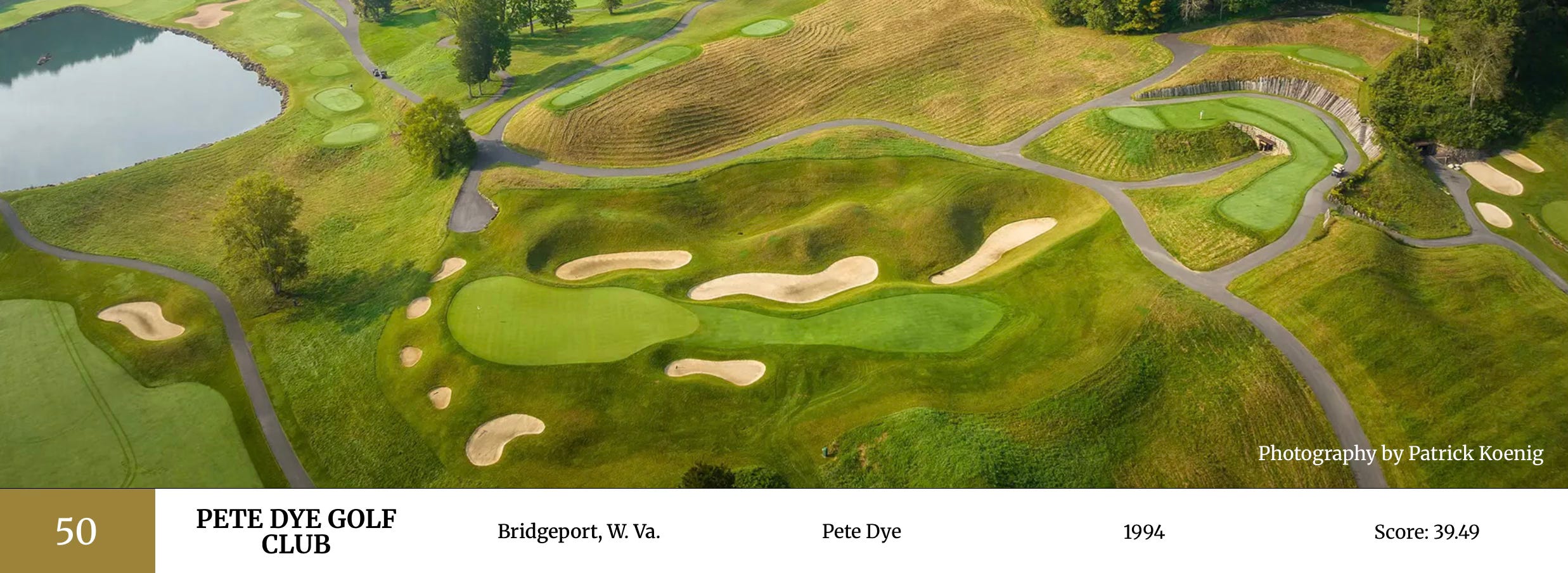
Since last week’s update, we received a new ranking that stopped me in my tracks: Links Magazine, using panels from architectural societies in the United States, Europe, and Australia, ranked Pete Dye Golf Club #50 in the world.
That is elite territory. Not just for our course, but for the vision behind it.
I still think back to Pete’s first visit to the property. He saw the land and, within hours, routed the course. That’s not an exaggeration. It was one of those moments where you realize you’re standing beside someone who sees things other people don’t. The way he looked at the terrain: the lines, the angles, the possibilities. It was like he’d been there before.
It’s an incredible story, and I’m fortunate to have been part of it…and to be sharing it with you.
Golf Economy and Membership Development
The early 2000s were a strange time in the golf world.
By most accounts, roughly 1,200 new courses opened in that period, and the result was an oversupply right as round activity began to soften. Down around 5%.
Then 9/11 happened, and corporate travel and corporate golf were hit hard.
What’s interesting is that while the broader golf economy was feeling real pressure, rounds at our club were only minimally affected. In fact, we were approaching 17,000 rounds, which was pushing the upper edge of what we felt comfortable with if we wanted to maintain the experience and course conditions we believed a national-caliber club should deliver.
Membership development had stabilized, too. Resignations had dropped to below national norms, and new member introductions were largely balancing resignations. At that point, our focus began to shift:
We started targeting potential members who lived further from the club, outside the Mid-Atlantic region. The kind of members who would value the club deeply, but wouldn’t be adding significant volume to the tee sheet.
In other words: grow membership, protect the experience, and stay consistent with the standards we believed mattered.
The Bells of Peterborough
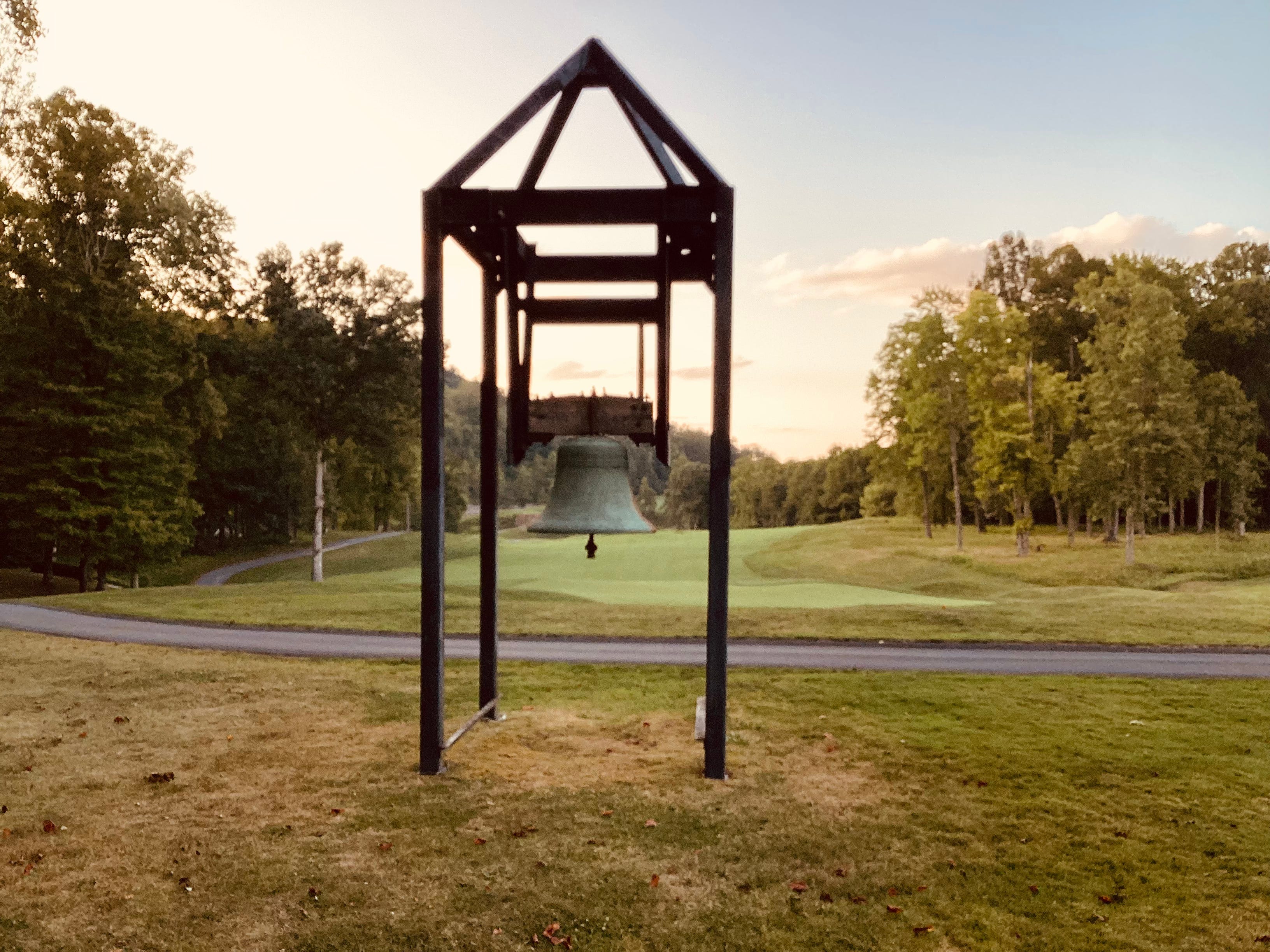
If you’ve ever noticed the bell currently sitting behind the #9 green, that’s not just a decorative piece. That bell was donated by Jim Beck. A friend, member, and an ardent supporter of the club. And the story behind it is the kind of thing that makes you shake your head in disbelief.
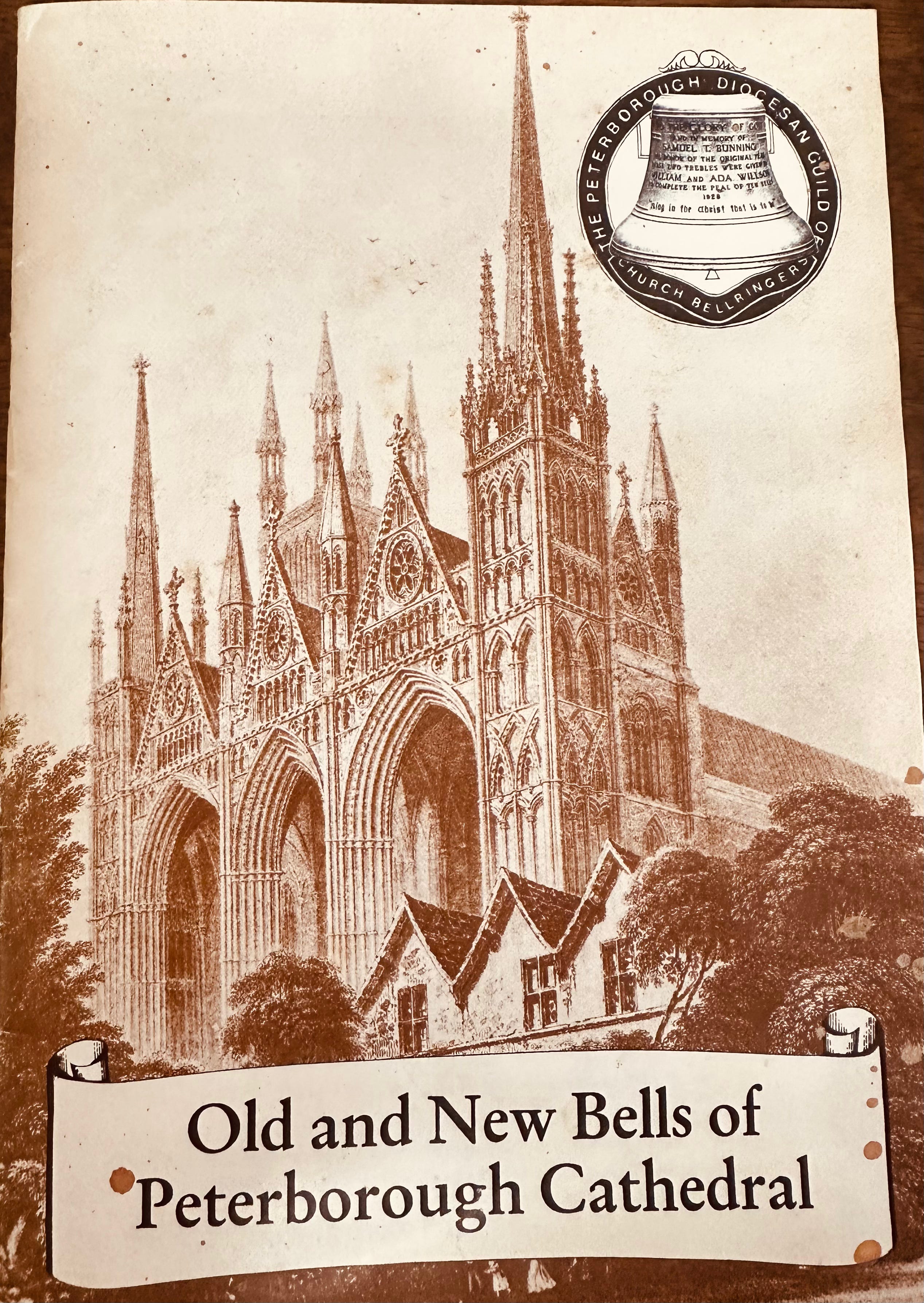
The bell is one of three that once hung in Peterborough Cathedral in Scotland, and it dates back to the 1300s.
You may remember seeing it in a few different spots over the years. First above the #10 tee, then near the practice area, and now it rests behind #9, right where it belongs.
A second bell from that set was donated to the City of Pittsburgh, and the originals were replaced at the cathedral, which is what allowed this one to begin its journey and eventually find a home here.
Jim, my friend: thank you. The club is full of big moments and big stories, but it’s also made richer by gifts like that. Gifts that carry history, weight, and meaning.
PGA Tournament Discussions
In early 2003, I received a call from the West Virginia Department of Economic Development. They wanted to discuss whether we’d have any interest in hosting a PGA Nationwide Tour event.
The State had entered discussions with the PGA as part of a broader effort to bring national exposure and real economic impact to West Virginia. State officials toured venues across the region and, in their view, the question became: what better place to host something like this than Pete Dye Golf Club?
I’ll be honest: I was purposely non-committal at first.
I had never hosted a tournament of that magnitude. I could only surmise the level of responsibility, precision, staffing, and execution it would require. And my first concern, immediately, was the one that mattered most to me:
Our course. And our members.
Yes, the exposure would be enormous. National, even international. But exposure isn’t the only variable. There were very real considerations beyond the headline.
Over the next two weeks, we had multiple discussions, and a meeting was arranged at the club. I reached out to Pete for his thoughts, and I had meaningful conversations with our superintendent, Gary Grandstaff.
Our primary concern was course conditions and what our members would be dealing with before and after a tournament week. If we were going to do something like this, it had to be done in a way that protected what we had built.
After our internal discussions, it became clear we needed far more information (and ultimately, commitments) from both the State and the PGA before we could make any decision.
Pete gave us explicit direction: what questions to ask, what standards to require, and what commitments would need to be in writing. And of course, Pete’s experience was invaluable. Having hosted Ryder Cups, PGA Championships, The Players Championship, and more, he knew how to cut to the chase.
In the interim, Gary and I started talking through what the PGA might expect: everything from green speeds and rough heights, to whether additional tees would be required, to equipment needs, manpower, and the increased costs that would inevitably come with a tournament of that size.
While Pete had given us some helpful input, there were still countless questions that needed answers. And another major concern kept coming up:
How long would the course be out of play for our membership and what would the playing conditions look like once the tournament was over?
After those conversations, I found myself leaning further toward not hosting the event. There were simply too many unknowns at that point, and what really got me was that they wanted to host it the following year.
At that point, familiar names within the department were involved: Dave Satterfield, Tim McNeely, Paul Hardesty, and others — and I informed them I was leaning toward declining.
But they were persistent.
Looking Back
So that’s where we were in early 2003: proud of how far we’d come, feeling the pressure of success in a changing golf economy, and suddenly staring at a question we hadn’t expected to face so soon:
Do we bring a PGA event to Pete Dye Golf Club?
Our following meeting would begin to answer that. Next Sunday, I’ll take you into that meeting: what we requested, what we feared, and what it would take to do it the right way. And I can tell you now: it wasn’t simple, it wasn’t quick, and it definitely wasn’t unanimous.
More on that next Sunday. I’ll see you then!
In the meantime, here is a Pete Dye clip discussing his roughly 400 trips to the property over the 17 years it was being built.